High-Speed Filling Process Debugging for Thin-Wall Injection Molding Parts
I. Introduction
Thin-wall injection molding (defined as wall thickness ≤1.5mm and length-to-thickness ratio >100) is critical for producing lightweight, high-efficiency components in electronics, packaging, and automotive industries. However, the fast melt cooling and high flow resistance inherent in thin-wall designs often cause defects like short shots, weld lines, gas marks, and warpage. High-speed filling is the primary solution to these challenges, but it requires a systematic approach to parameter tuning rather than simply increasing injection speed. This article provides a step-by-step guide to debugging high-speed filling processes, ensuring consistent quality and efficiency.
II. Preparations and Core Principles
Before initiating any process debugging, three critical areas must be verified to establish a solid foundation:
Mold Preparation: Ensure that gates (preferably needle-point or fan gates) are unobstructed, exhaust systems (0.01-0.02mm deep, 8-12mm wide) are clear, cooling channels are uniformly distributed, and cavities are polished to Ra0.4μm to minimize flow resistance.
Equipment Validation: Use precision injection machines with an injection speed ≥150mm/s and pressure ≥200MPa. Check for screw wear, nozzle-to-gate alignment (coaxiality ≤0.05mm), and hydraulic system responsiveness to ensure reliable high-speed performance.
Material Conditioning: Dry hygroscopic materials (e.g., ABS/PC) at 80-100℃ for 2-4 hours to eliminate moisture-induced defects, and pre-plasticize the material to ensure uniform melt quality before injection.
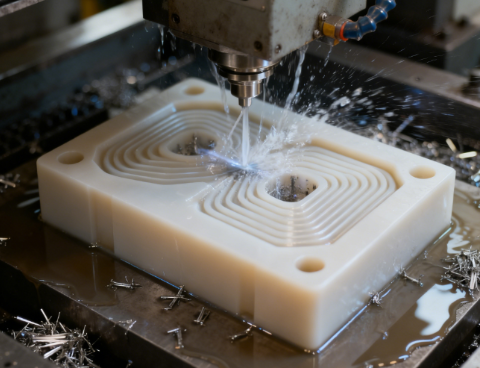
The core principles guiding high-speed filling debugging are: fast mold filling to beat solidification, precise pressure control to avoid over-packing, low shear to prevent material degradation, and effective pressure holding to minimize warpage. A key rule is to switch to pressure holding when the cavity is 95-98% filled, reducing the risk of flash and residual stress.
III. Basic Parameter Calibration
Plasticizing Parameters
Screw Speed: Set between 150-500r/min, adjusting based on material type—higher for general plastics (PE/PP) and lower for engineering plastics (ABS/PC) and glass fiber-reinforced materials to prevent shear degradation.
Back Pressure: Maintain at 0.5-2.5MPa, typically 5-10% of the injection pressure, to ensure melt uniformity and gas removal without excessive shear.
Pre-plasticizing Volume: Set to 1.1-1.3 times the total weight of the product and runner to avoid short shots and ensure consistent melt availability.
Temperature Field Parameters
Melt Temperature: Use segmented control, ranging from 180-320℃ depending on the material. For example, PE/PP requires 180-220℃, while PC needs 280-320℃. The nozzle temperature should be 5-10℃ lower than the front barrel to prevent drooling.
Mold Temperature: Adjust based on material crystallinity—40-60℃ for general plastics, 50-70℃ for ABS, and 80-100℃ for PC. Ensure temperature deviation is ≤±2℃ using a precision mold temperature controller.
Injection Parameters
Injection Speed: Initial total speed set to 80-150mm/s, using a three-stage profile: 10-30mm/s at the nozzle to prevent jetting, 60-150mm/s in the cavity for fast filling, and 20-40mm/s before pressure holding to reduce inertial flow.
Injection Pressure: Set to 80-200MPa, 1.2-1.5 times the basic molding pressure, to ensure sufficient force to overcome flow resistance.
IV. Key Parameter Fine-Tuning & Defect Solutions
Injection Speed Optimization
Increase cavity speed by 10-20mm/s to resolve short shots, and combine with a 5-10℃ increase in melt/mold temperature if needed.
Reduce nozzle speed to 10-20mm/s and optimize gate size/shape to eliminate jetting.
Lower the end-of-fill speed by 10-15mm/s and clean/upgrade exhaust systems to address gas marks or trapped air.
Pressure Holding Switch Position
Calibrate the switch position to ±0.5mm, initially set to when the cavity is 95% filled.
Shift the position to 98% filled if short shots occur, and increase holding pressure slightly to ensure adequate packing.
Move the position to 95% filled if flash appears, and reduce the high-speed zone’s final speed to minimize inertial flow.
Common Defect Resolution
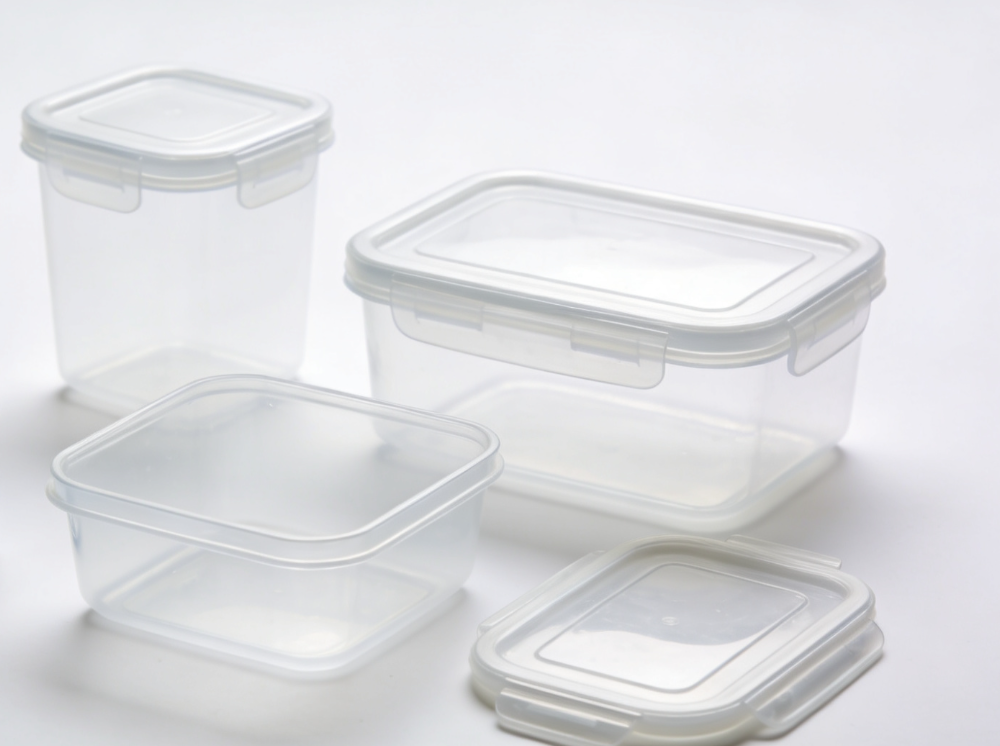
Short Shots: Increase melt/mold temperature, injection speed, and pressure; clean or add exhaust vents.
Weld Lines: Raise melt/mold temperature, increase filling speed, and optimize gate placement to reduce the number of weld lines.
Gas Marks: Re-dry materials, reduce screw speed/back pressure to lower shear, and improve exhaust.
V. Process Standardization
Validate the process with 50-100 consecutive molds, ensuring parts meet appearance, dimensional (±0.05mm deviation, CPK≥1.33), and mechanical property standards. Record parameters in a standard process card, lock machine settings, and monitor daily (melt temperature deviation ≤±5℃, mold temperature ≤±2℃).
VI. Conclusion
Successful high-speed filling for thin-wall parts relies on systematic parameter calibration and fine-tuning. By following this structured process, manufacturers can achieve stable, high-quality production, reducing defects and improving efficiency.